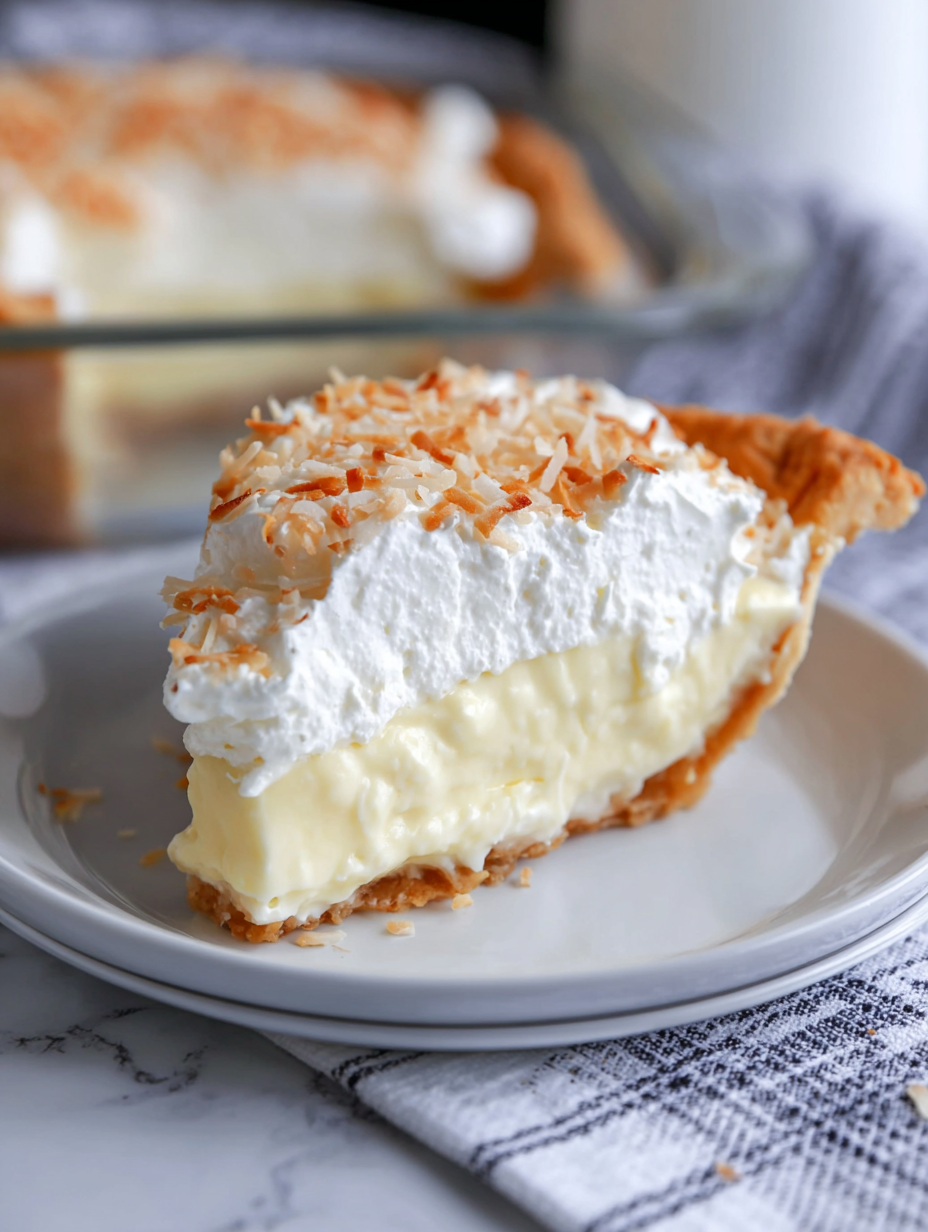
No More Gelatinous Slop: The Real Creamy Coconut Pie
For many of us, the phrase "coconut cream pie" conjures images of a slice of heaven – an ethereal blend of rich, tropical flavor and a texture so smooth it melts in your mouth. Yet, how often have those dreams been dashed by a disappointing reality? Decades of restaurant experiences have often left a bitter taste, quite literally, serving up something more akin to gelatinous slop than the luscious, velvety dessert we crave. This isn't just a lament; it's a call to action. It's time to reclaim the true essence of this beloved classic, to discover the secrets behind a homemade
coconut cream pie that transcends all expectations and delivers an unparalleled experience.
The distinction between a truly great coconut cream pie and its mediocre imposters lies not just in ingredients, but in philosophy. It's about respecting tradition, understanding texture, and embracing the value of a dessert crafted from scratch. Forget the insipid, overly sweet, and artificially flavored versions. We're on a quest for the pie that tastes like a tropical dream, a pie that’s been perfected over generations, promising creamy indulgence with every single bite.
The Quest for the Perfect Coconut Cream Pie: Ditching the Disappointments
The journey to the perfect
coconut cream pie often begins with disillusionment. Many commercial or shortcut versions fall victim to common pitfalls that strip the pie of its inherent charm. The most egregious offense? A filling thickened with cornstarch that results in a jiggly, jelly-like consistency rather than the desired smooth, pudding-like custard. This textural misstep alone can ruin the entire experience, leaving you with a dessert that feels strangely artificial and unsatisfying. A proper coconut cream pie should be a symphony of textures: a crisp, flaky crust giving way to a rich, silky filling that coats the palate, crowned with a cloud of fresh cream and possibly some delightful chew from toasted coconut.
Beyond texture, flavor is another battleground. Many modern recipes or pre-made mixes often skimp on authentic coconut flavor, relying heavily on vanilla extract or artificial coconut flavorings that fall flat. The result is a pie that tastes predominantly of sugar and whatever extract was most readily available, rather than the deep, complex, and intoxicating notes of real coconut. An old-fashioned, homemade approach understands that the pie's heart lies in its ability to transport you to a tropical paradise with every spoonful, a feat achievable only through careful selection and preparation of high-quality ingredients. It’s about building layers of flavor, ensuring that the star ingredient shines through authentically.
Unveiling the Secrets of a Velvety, From-Scratch Filling
The core of any truly exceptional
coconut cream pie is its filling, and this is where the craft truly shines. The key to achieving that exquisite, velvety texture lies in choosing the right thickener and building a rich, flavorful custard from the ground up.
*
Flour Over Cornstarch: As vehemently argued by many seasoned bakers, a proper custard filling for coconut cream pie relies on flour, not cornstarch. While cornstarch creates a clear, firm gel often suitable for fruit fillings, it lends a distinct, jelly-like mouthfeel to custards that is completely at odds with the desired creaminess. Flour, on the other hand, creates a more opaque, tender, and truly pudding-like consistency, resulting in a filling that is silken and melts beautifully on the tongue. It’s a subtle but critical difference that elevates the pie from merely acceptable to absolutely sublime.
*
Deep Coconut Flavor: To achieve an intense, tropical essence, you need to go beyond a splash of extract.
*
Full-Fat Coconut Milk: This is non-negotiable. Canned full-fat coconut milk provides the foundational richness and authentic flavor that cannot be replicated with lighter versions or cow's milk alone. Its creamy consistency contributes directly to the pie’s luxurious texture.
*
Shredded Coconut: Incorporating shredded coconut directly into the custard while it cooks allows its flavor to infuse deeply. Consider using both finely shredded coconut for texture integration and a coarser variety for garnish. For an extra layer of flavor, a portion of the shredded coconut can be lightly toasted before being added to the filling or as a topping.
*
Vanilla and Salt: While coconut is the star, a good quality vanilla extract (not artificial vanilla) enhances its sweetness, and a pinch of salt balances the flavors, preventing the pie from tasting cloyingly sweet.
*
The Stovetop Method: A true from-scratch coconut pudding is cooked gently on the stovetop. This process, while requiring attention, allows you to control the consistency and ensures the flour is fully cooked, preventing a raw flour taste. The custard is cooked until it visibly thickens, then carefully transferred to the pie shell to chill.
The effort involved in making this filling from scratch is incredibly rewarding. For those looking to master this art, delve deeper into the nuances of preparation and ensure every spoonful is a revelation by following expert advice on how to
Achieve Velvety, Deep Coconut Cream Pie From Scratch. This attention to detail is what sets a truly memorable pie apart.
Beyond the Filling: Crust, Topping, and the Art of Assembly
While the filling is undoubtedly the heart of a great
coconut cream pie, the other components – the crust and the topping – play crucial supporting roles in creating a harmonious and utterly delightful dessert.
*
The Foundation: A Flaky Pie Crust: A truly exceptional pie begins with an exceptional crust. Forget the pre-made frozen options; a homemade, buttery, flaky pastry crust is non-negotiable for a pie of this caliber. The contrast between the crisp, tender pastry and the creamy filling is what makes each bite so satisfying. The crust should be blind-baked to perfection, ensuring it's golden brown and fully cooked before the rich, chilled filling is added. This prevents a soggy bottom, which is another common pitfall in less carefully prepared pies. If making your own crust feels daunting, choose a high-quality all-butter store-bought pastry for blind baking, but homemade is always superior.
*
The Crown: Whipped Cream or Meringue: The topping of a coconut cream pie is its crowning glory.
*
Freshly Whipped Cream: This is arguably the most traditional and universally loved topping. Made from heavy cream, a touch of sugar, and vanilla, whipped until light and fluffy, it adds an airy, cool contrast to the rich custard. Ensure the cream is very cold, and for the best results, chill your mixing bowl and whisk attachment before whipping.
*
Toasted Coconut Flakes: Whether you choose whipped cream or meringue, a generous sprinkling of toasted coconut flakes on top is essential. Toasting the coconut intensifies its flavor and adds a delightful textural crunch, enhancing the overall tropical experience. Be sure to toast it gently in a dry pan over low heat, or spread on a baking sheet, watching it carefully as it can burn quickly.
*
Meringue: For those who appreciate a slightly more dramatic presentation and a different textural dimension, a cloud of toasted meringue offers a wonderful alternative. Made from whipped egg whites and sugar, meringue provides a light, airy, and slightly chewy topping that can be beautifully browned with a kitchen torch. It adds a touch of old-school diner charm and a different kind of sweetness, creating a pie that feels both nostalgic and sophisticated.
*
The Art of Assembly: Once the filling is perfectly chilled and set in the blind-baked crust, and your topping is ready, assemble your masterpiece. Generously pile the whipped cream or meringue onto the filling, ensuring an even distribution. If using, adorn with toasted coconut flakes just before serving. The chilling time for the entire pie is crucial for it to set properly and for the flavors to meld.
Why Homemade Reigns Supreme: A Taste of Nostalgia and Pure Indulgence
The commitment to making a
coconut cream pie from scratch, using an old-fashioned, time-tested recipe, is not merely about culinary skill; it's about reclaiming a lost art and experiencing food as it was meant to be. This isn't just a dessert; it's a testament to patience, quality ingredients, and the unparalleled satisfaction that comes from creating something truly extraordinary with your own hands.
When you invest the effort in a homemade coconut cream pie, you are guaranteed a product that far surpasses anything you'll find in a restaurant or a store-bought mix. You control the quality of the coconut milk, the freshness of the cream, the richness of the butter in the crust, and the depth of the coconut flavor. This control translates directly into a superior taste and texture that simply cannot be replicated by mass-produced alternatives often loaded with stabilizers, artificial flavors, and shortcuts.
Furthermore, there's a profound sense of nostalgia tied to these old-fashioned recipes. They connect us to traditions, to grandmothers and generations of bakers who understood the magic of simple, wholesome ingredients transformed into something truly special. This pie becomes more than just a sweet treat; it becomes an experience, a memory in the making, and a centerpiece for gatherings. For those ready to embark on this delicious journey and create a pie that truly stands the test of time, you can find the definitive guide to
The Absolute Best Old-Fashioned Coconut Cream Pie Recipe. The rewards – the oohs and aahs from delighted family and friends, and the sheer joy of a perfectly creamy bite – are immeasurable and undeniably worth every bit of effort.
In a world full of culinary compromises, a homemade
coconut cream pie stands as a beacon of uncompromising deliciousness. It’s a bold statement against the mundane, a celebration of authentic flavors and textures. It promises an escape from the "gelatinous slop" and delivers nothing short of a creamy, tropical dream.